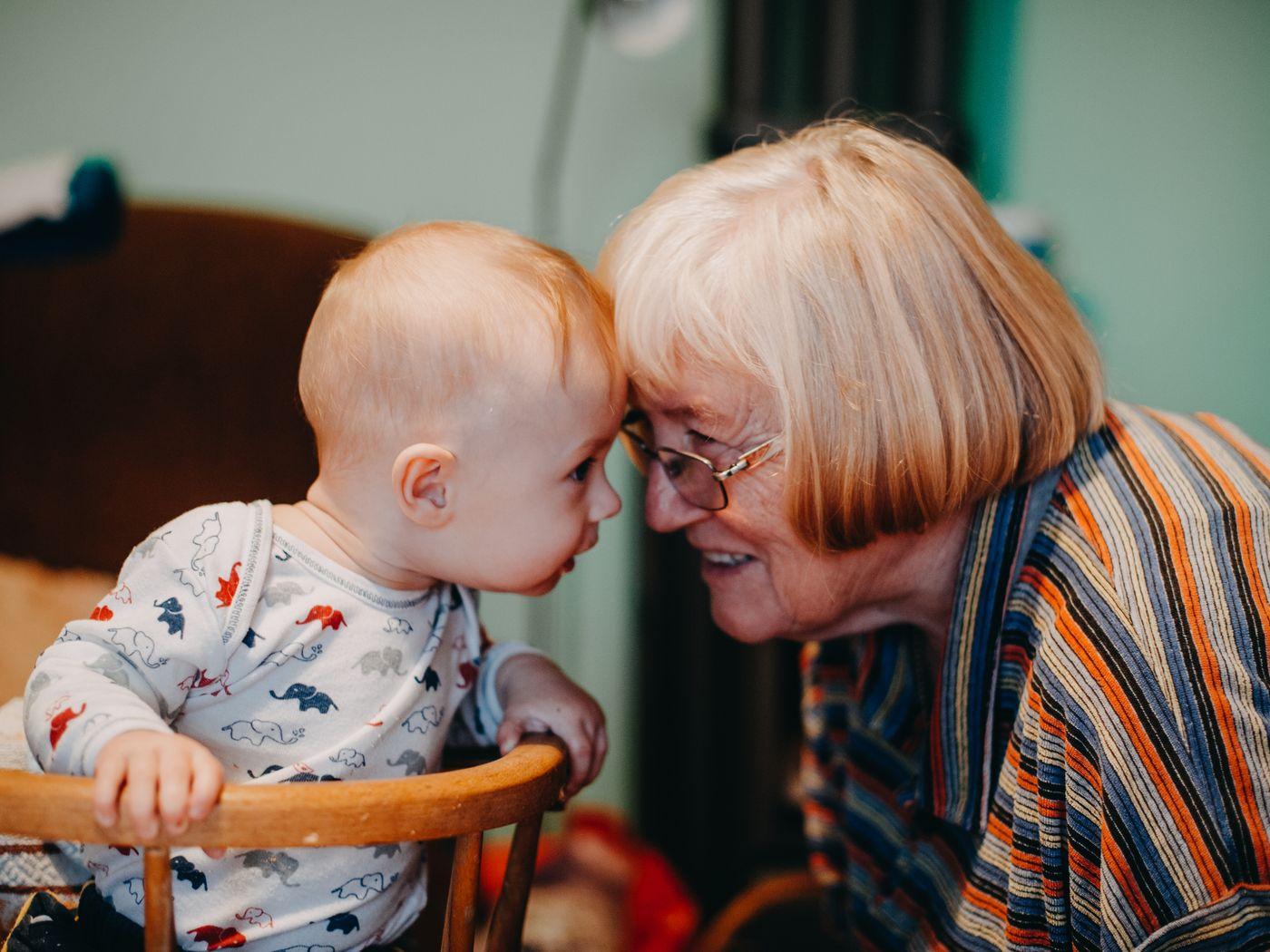
My mother has a story she tells about the year I was born. It is funny in the places where it should be sad, and she delivers it like a party trick. I have heard it many times. I have only recently started listening to the pauses.
There is a whole generation of mothers whose interior lives were not considered a suitable topic for conversation. They were expected to be grateful, capable and quiet about the cost. The silence was not emptiness. It was a container.
The shape of what is not said
We inherit the silences as surely as we inherit the recipes. The things our mothers did not complain about become the things we feel we are not allowed to complain about. The sacrifices they made become a standard we are expected to meet without acknowledgment.
My mother did not tell me that motherhood would be hard. She told me that she was fine. I am still learning how to ask better questions.
Asking differently
I have started asking my mother about her life before me. Not the highlights. The ordinary texture: what she ate for lunch, who her friends were, what she wanted that she never got. She is often surprised by the questions. Sometimes she answers. Sometimes she changes the subject, and I let her.
- Ask about the ordinary, not just the milestones.
- Leave space after the question instead of filling it.
- Do not require her story to have a redemptive ending.
- Decide which parts of the silence you want to break for your own children.
I do not know what my daughter will say about me in thirty years. I hope she will know that I tried to tell the truth. I hope the pauses in my stories are shorter, and that she feels free to ask about them.