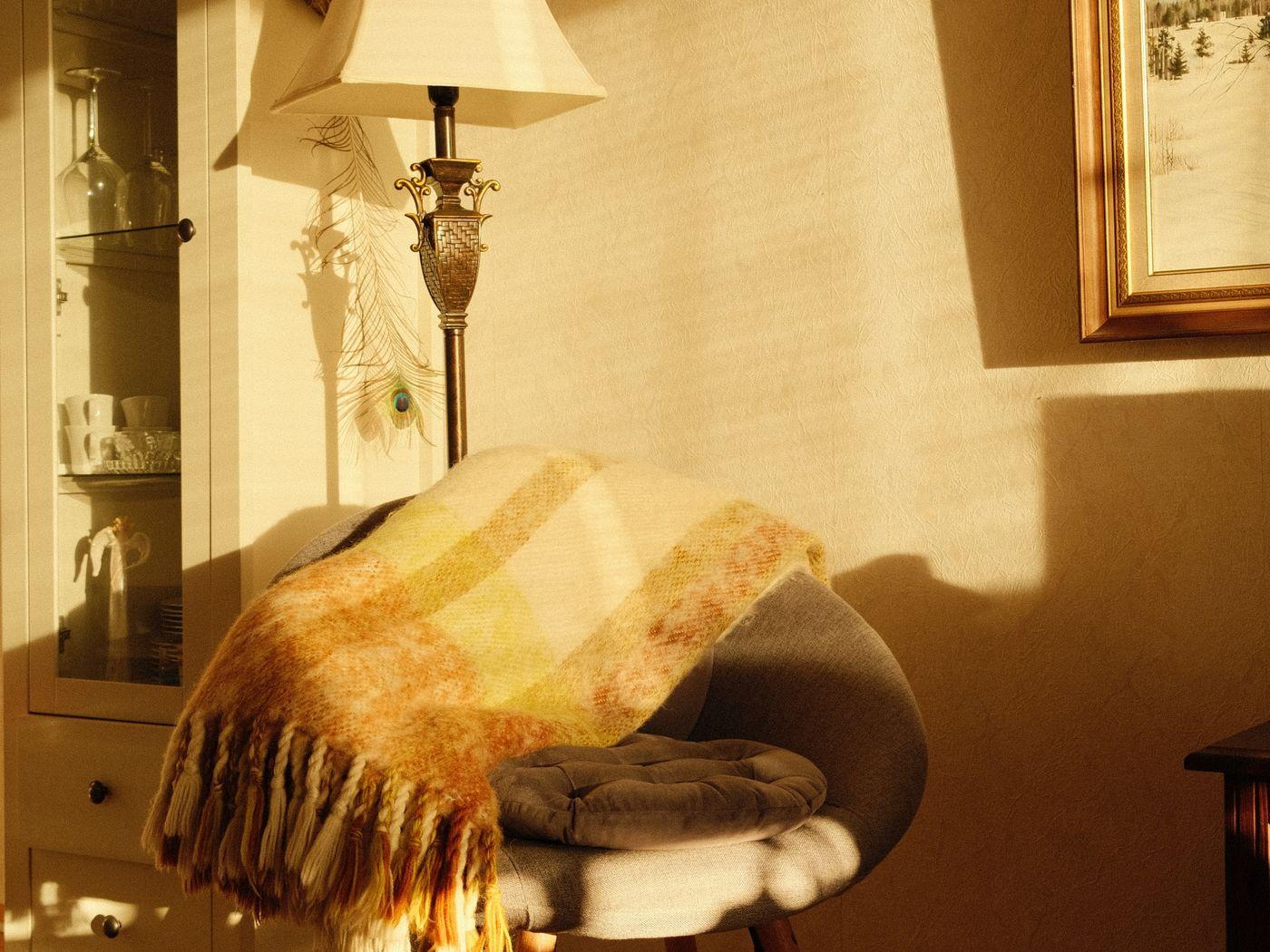
The house was never the problem. The problem was the gap between the house we had and the life we were actually living in it. We had a dining table we used as a desk, a hallway that had become a landing strip for everyone's belongings, and a cupboard full of things we kept because we might need them.
I stopped thinking about the home as a project to finish. I started thinking about it as infrastructure for the week. What needs to be easy? What keeps getting in the way? What are we pretending to use that we do not use at all?
Design for the repeated moment
The useful changes were unglamorous. A hook by the door for the bag that always ended up on the floor. A basket on the stairs for things that needed to go up. A shelf at child height so that the cups could be reached without a daily negotiation.
A home does not need to be beautiful before it can be useful. The useful version is often the one that becomes beautiful.
The audit
- Which object causes the same small argument every week?
- Which room do we avoid because it has become a storage unit?
- What could be moved to the place where it is actually used?
- What are we keeping for a version of ourselves who is not coming back?
None of this is about minimalism or a perfect system. It is about reducing the number of times a day you have to solve the same problem. A home that works is not empty or immaculate. It is a place where the ordinary things have somewhere to go.