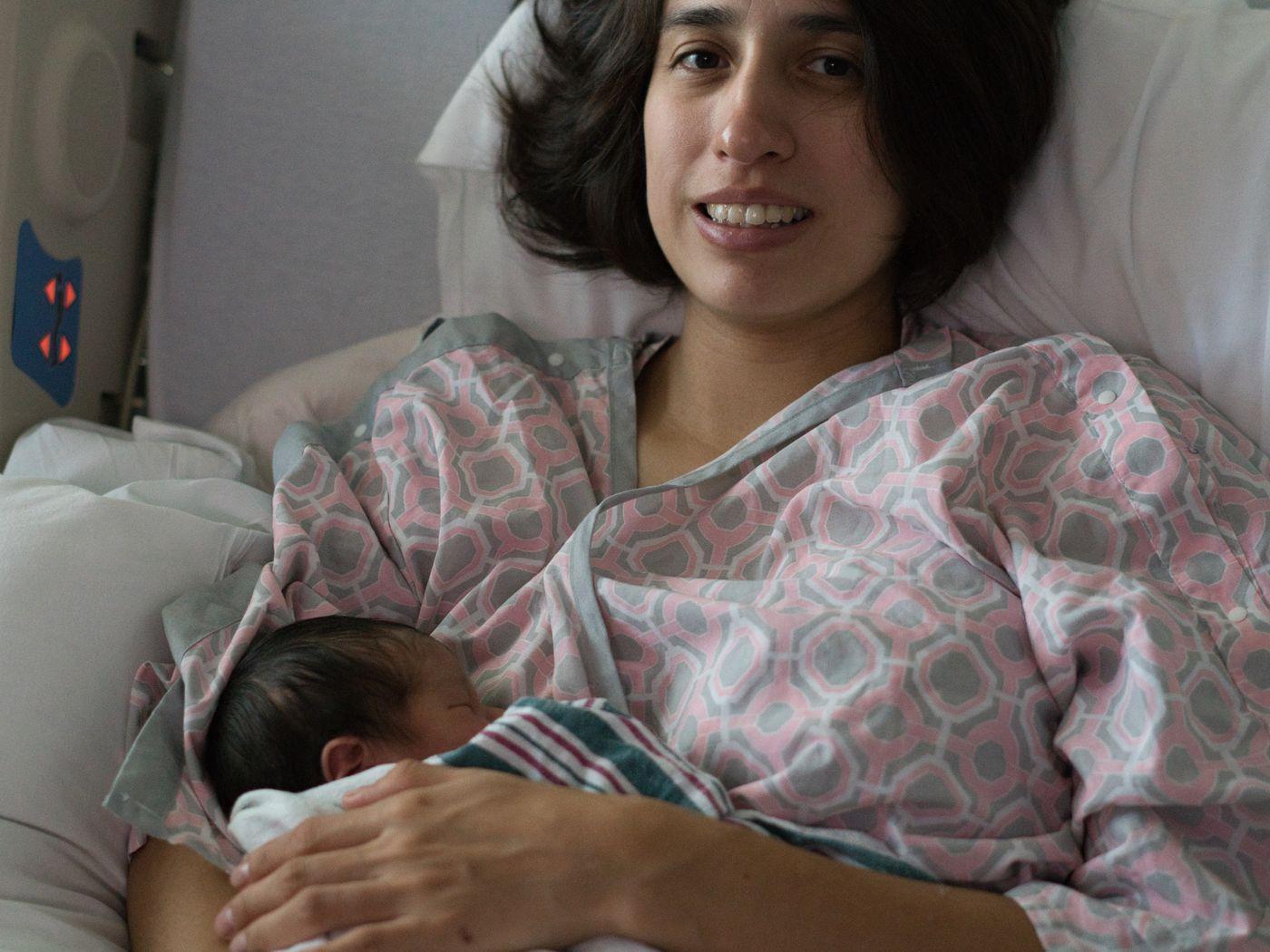
The first three months after my daughter was born were not an ending. They were a second beginning, with all the disorientation that implies. The pregnancy had a vocabulary: appointments, trimesters, a due date. The postpartum period had mostly a list of things I was supposed to be doing and a profound sense that I had missed the briefing.
We talk about the fourth trimester as if it were an optional extra. In practice, it is the room where a mother and baby get to know each other, where a body recovers, and where a family is rebuilt around a new person who cannot yet say what they need.
A body with its own timeline
I had assumed recovery would be linear. It was more like weather: a few bright days, then a front moving in. Some of this was physical. Some of it was the sheer exhaustion of being needed in a way I had never been needed before.
I did not bounce back. I slowly grew a new shape around an entirely new life.
This is not a story about doing it alone. It is a story about how much easier it would have been if the practical support had been designed around the reality of the first twelve weeks rather than the fantasy of a mother who is already back to normal.
What actually helped
- A small number of people who could help without needing to be entertained.
- Permission to lower the bar on everything that was not recovery or feeding.
- Clear, trusted information about what to expect — and who to call when something did not feel right.
- A record of the small good moments, because the days blurred into one another.
If you are in it now, I hope someone is bringing you water and taking something off your list. If you are past it, you may still be allowed to name how hard it was. The fourth trimester ends, but its lessons tend to stay.
This is a personal essay, not medical guidance. For concerns about your own recovery or your baby, speak with your midwife, health visitor or doctor.